
Agentic AI Orchestration for Independent Agencies
Dentsu's agentic AI overhaul exposes a growing infrastructure gap. Here's the practical framework independents need to close it fast.
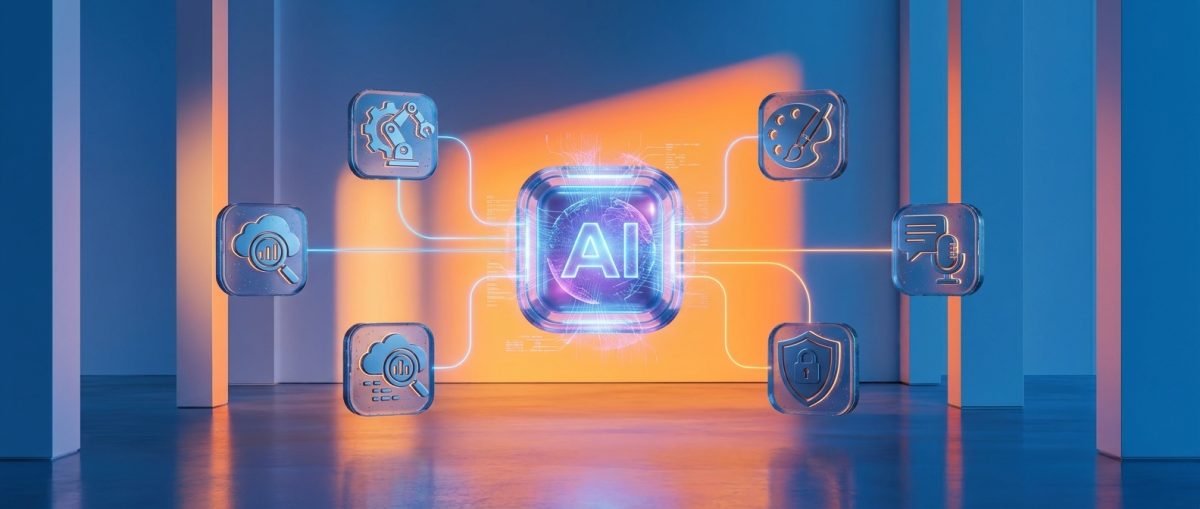
By Q2 of this year, three of the five largest global holding companies had announced dedicated agentic AI orchestration platforms. Dentsu’s overhaul of its Connect platform into a multi-agent coordination system is the most architecturally explicit yet. For independent and mid-size agencies, this isn’t a press release to scroll past. It’s an infrastructure ultimatum. The question isn’t whether agentic orchestration will become table stakes in enterprise pitches. It’s whether independents can assemble a competitive alternative before RFP requirements lock them out.
Intercept helps agencies identify enterprise buyers signaling AI infrastructure needs right now.
What Dentsu.Connect’s Agentic Architecture Actually Does
Strip away the marketing language and Dentsu.Connect’s April overhaul introduced three structural changes that matter. First, multi-agent coordination: separate AI agents handle campaign planning, audience modeling, creative production, and media optimization as specialized units rather than features within a single tool. Second, a unified data layer feeds every agent the same customer, performance, and market data in real time. Third, autonomous workflow handoffs let the planning agent’s output flow directly into the creative agent’s input, which then triggers the media optimization agent, with minimal human gatekeeping at each transition.
This is a fundamentally different model from the “AI-assisted” approach most agencies use today. Running ChatGPT for copy, a separate tool for audience segmentation, and another for bid management creates siloed outputs. Dentsu’s system creates compounding outputs. Each agent’s work improves the next agent’s starting point. According to Forrester’s research, organizations using integrated AI orchestration report 30-40% faster campaign launch cycles compared to those using disconnected point solutions.
Key Insight
The competitive moat isn't any single AI capability. It's the orchestration layer that connects them. Holding companies are betting that chaining agents together creates efficiency advantages that compound over time, making the gap between integrated and fragmented approaches wider with every campaign executed.
Why This Creates a Structural Disadvantage for Independents
Let’s be direct about the threat. Enterprise clients don’t just buy campaign performance. They buy process credibility. When a holding company walks into an RFP and demonstrates a unified agentic workflow where research flows into strategy, strategy flows into creative, and creative flows into optimized media placement without manual handoffs, it reframes the conversation. The pitch becomes about infrastructure, not just ideas.
Independent agencies typically counter with agility, specialized talent, and client proximity. Those advantages are real. But they don’t answer the specific question a procurement team asks when comparing an agentic orchestration demo against a deck showing five disconnected SaaS subscriptions. The agency survival roadmap we’ve outlined previously becomes even more urgent in this context.
There’s a timing dimension too. Gartner projects that by late next year, 45% of enterprise RFPs for digital marketing services will include specific questions about AI orchestration capabilities. That window is closing.
A Practical Framework for Building Lightweight Agentic Orchestration
The good news: you don’t need Dentsu’s budget or a two-year build cycle. You need architectural thinking applied to tools that already exist. The goal isn’t to replicate a holding company’s platform. It’s to build a coordinated workflow that demonstrates the same principles of agent specialization, shared data, and automated handoffs.
Here’s the step-by-step framework.
Map Your Agent Functions:
Identify the four to six core workflow stages in your campaign delivery. Most agencies need a research/insight agent, a strategy/planning agent, a creative generation agent, an audience modeling agent, and a media optimization agent. Each "agent" will be a specific AI tool or API endpoint.
Select Specialized Tools for Each Agent Role:
Use the best-in-class API for each function. OpenAI’s GPT-4o or Anthropic’s Claude for research synthesis and strategic recommendations. Midjourney or Adobe Firefly’s API for creative generation. Platform-native APIs from Meta or Google for audience modeling and bid optimization. The key is selecting tools with robust API access, not just UI-based features.
Build the Orchestration Layer:
This is the critical infrastructure piece. Use a workflow automation platform like Make (formerly Integromat), n8n, or Zapier’s advanced multi-step workflows to chain your agents together. The orchestration layer passes structured outputs from one agent to the next. A research agent’s insight brief becomes the strategy agent’s input prompt. The strategy agent’s channel mix recommendation triggers the audience modeling agent. Tools like LangChain offer more sophisticated agent chaining for teams with development resources.
Create a Unified Data Layer:
Set up a central data store (Airtable, Supabase, or a lightweight data warehouse like BigQuery) that every agent reads from and writes to. Campaign briefs, performance data, audience segments, and creative assets all live in one accessible layer. This mirrors the unified data architecture that makes Dentsu.Connect’s agents effective. Without shared context, your agents are just disconnected tools with fancy API calls.
Automate Workflow Handoffs:
Configure your orchestration layer to trigger the next agent automatically when the previous one completes its task. Build in human review checkpoints at high-stakes transitions (strategy approval before creative generation, creative approval before media launch) but eliminate manual data transfer between steps. The goal is reducing the handoff friction that slows independent agencies down.
Package It for Pitches:
Document your orchestration workflow visually. Create a diagram that shows how your agents coordinate, where data flows, and where human expertise adds judgment the AI can’t replicate. This becomes your infrastructure story in RFPs. Agencies that can articulate agentic transparency in their process will earn trust faster.
The Minimum Investment to Reach Competitive Parity
Budget matters. Here’s a realistic breakdown for a 15-30 person independent agency.
API costs for core AI tools (OpenAI, Anthropic, image generation) run $500-$2,000 per month depending on volume. Workflow orchestration platforms cost $100-$500 per month. A lightweight data warehouse adds $200-$600 per month. The biggest expense is typically 80-120 hours of initial setup and configuration time, which translates to one senior technical strategist’s time for four to six weeks. Total first-year investment: $25,000-$50,000 including labor.
Compare that to Dentsu’s reported investment of over $100 million in its agentic platform. You won’t match their scale. But you can match their pitch narrative and demonstrate the same architectural principles at a fraction of the cost. This is where understanding AI service pricing becomes essential for positioning your investment as a premium capability rather than a cost center.
Key Insight
The minimum viable agentic stack for an independent agency costs less than a single senior hire. The competitive risk of not building one is losing every enterprise pitch where infrastructure questions appear on the scorecard.
What Holding Companies Still Can’t Replicate
Agentic orchestration is powerful, but it has blind spots. Holding company platforms optimize for scale and standardization. They struggle with the nuanced, category-specific judgment that makes independent agencies valuable. A coordinated AI workflow can produce a campaign plan in hours. It cannot replicate the client intimacy that catches a brand-damaging creative direction before it ships.
Independents should lean into this. Build agentic orchestration for speed and consistency, then emphasize the human judgment layer as your differentiator. The agencies that win will combine automated orchestration with creative authenticity scoring and senior strategic oversight. Orchestration handles the workflow. Your people handle the wisdom.
This is also where a dedicated AI strategist proves their value. Someone needs to own the orchestration layer, tune the agent prompts, monitor output quality, and evolve the system as new tools emerge. That role is no longer optional.
The Clock Is Running
Dentsu’s move isn’t isolated. WPP, Publicis, and Omnicom have all signaled similar agentic builds. The infrastructure gap between holding companies and independents will widen every quarter that passes without action. Start with the framework above. Build your minimum viable orchestration layer. Get it into your next three pitches and measure the response. The agencies that treat this as a someday project will discover that someday already passed.
FAQs
What is agentic AI orchestration in the context of advertising agencies?
Agentic AI orchestration refers to a system where multiple specialized AI agents handle distinct workflow stages (research, creative production, media optimization) and coordinate through an orchestration layer that passes data and outputs between them automatically. Unlike using separate AI tools independently, orchestration creates compounding efficiency because each agent builds on the previous agent’s work.
How much does it cost for an independent agency to build a basic agentic orchestration stack?
A realistic first-year investment for a 15-30 person agency falls between $25,000 and $50,000, including API costs, workflow automation platforms, a lightweight data warehouse, and 80-120 hours of setup time. Monthly recurring costs after setup typically range from $800 to $3,100 depending on usage volume.
What tools can independent agencies use to build agentic workflows?
Key tools include OpenAI or Anthropic APIs for research and strategy agents, Midjourney or Adobe Firefly for creative generation, Make or n8n for workflow orchestration, and Airtable or BigQuery for unified data layers. LangChain offers more advanced agent chaining for teams with development resources. Platform-native APIs from Meta and Google handle audience modeling and bid optimization.
Will enterprise clients start requiring agentic AI capabilities in RFPs?
Yes. Industry analysts project that by late next year, nearly half of enterprise RFPs for digital marketing services will include specific questions about AI orchestration capabilities. Agencies that cannot demonstrate coordinated AI workflows risk being eliminated during infrastructure evaluations before their strategic or creative strengths are even considered.
Can independent agencies compete with holding companies on AI infrastructure?
Independent agencies cannot match holding company scale, but they can match the architectural principles. By chaining specialized AI tools through an orchestration layer with shared data and automated handoffs, independents can demonstrate the same workflow logic at a fraction of the cost. Combining this with human judgment, client intimacy, and creative quality creates a differentiated position that pure automation cannot replicate.
Find Clients Searching for AI-Ready Agencies
Enterprise buyers are actively evaluating agencies on AI orchestration capabilities right now. Intercept surfaces those intent signals so you can reach them before the RFP drops.


